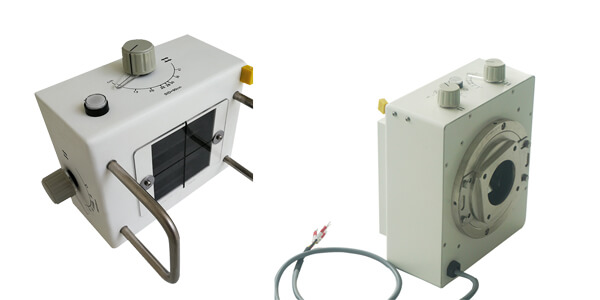
The lead blades of an x ray collimator act as the shutter that blocks X-rays outside the selected field, and they are not all the same. Collimator blades are arranged in two groups, and each group can use a single-layer or a multi-layer structure, depending on how much stray radiation the collimator must stop. The multi-layer structure of collimator blades meets the standard leakage requirement for X-ray equipment, and it is the recommended choice for digital X-ray diagnostic equipment: stray scattered rays that slip through a single-layer shutter window directly lower image quality. This guide compares the two collimator blade structures so you can choose the right collimator for cassette-based or DR systems
Do you know the structure of the lead blades of the x ray collimator?
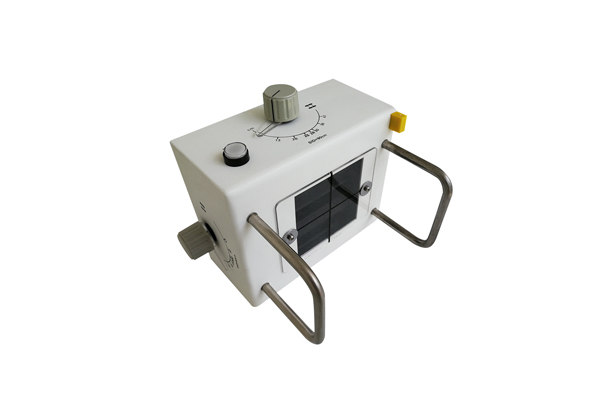
No. The lead blades are arranged in two groups, and each group can be single-layer or multi-layer. The multi-layer structure meets the X-ray leakage standard and is preferred for digital systems.
Collimator blades shield stray X-rays and control the dose and span of the X-ray beam; they are the lead shutters inside the beam limiter.
For digital X-ray diagnostic equipment, the multi-layer blade structure is recommended because single-layer shutters allow stray scattered rays that can fog the image.
Author: Abby
E-mail: newheekcn@163.com
Tel: +86 19015366638
Whatsapp:+86 19015366638
Company: Weifang Newheek Electronic Technology Co., Ltd.
ADD: E Building of Future Star Scientific Innovation Industrial Zone of No.957 Wolong East Street, Yulong Community, Xincheng Sub-District Office, Weifang Hi-tech Zone, Shandong Province, China