Selecting the right Bucky tray is critical for medical facilities aiming to deliver consistent, high-quality radiographic results while optimizing workflow efficiency. As a core component of X-ray systems, a properly chosen Bucky tray ensures clear diagnostic images, reduces unnecessary radiation exposure, and seamlessly integrates with your existing equipment. This guide breaks down the essential parameters you need to evaluate before making a purchasing decision.
1. Receptor Compatibility
The first non-negotiable parameter is the tray’s ability to accommodate your existing imaging receptors. Most clinical setups use standard sizes ranging from 18×24cm (10×8in) to 35×43cm (17×14in) for both CR cassettes and DR flat-panel detectors . Premium models like the 4343 RG-E are specifically engineered to fit directly into Bucky trays, preserving their high Detective Quantum Efficiency (DQE) performance even at low radiation doses .
Key Check: Confirm the Bucky tray’s adjustable clip spacing supports all your current cassette and detector dimensions, eliminating the need for costly retrofits.
Clinical Impact: Mismatched sizing leads to receptor shifting during exposures, resulting in repeated scans and increased patient radiation exposure.
2. Anti-Scatter Grid Specifications
The integrated anti-scatter grid is the heart of any Bucky tray, directly responsible for improving image clarity when examining body parts thicker than 15cm . Grid parameters you must verify include:
Grid Ratio: Common clinical options range from 8:1 to 12:1, with higher ratios delivering superior scatter cleanup for dense anatomical regions.
Grid Line Density: Measured in lines per centimeter, standard medical-grade grids offer 40-70 lines/cm to minimize visible grid artifacts in final radiographs.
Removable Design: Opt for trays with detachable grids, allowing easy cleaning, replacement, and compatibility with specialized low-dose pediatric protocols.
3. Mechanical & Workflow Features
A well-engineered Bucky tray drastically reduces radiographer fatigue and speeds up patient positioning:
Smooth Docking Mechanism: Look for models with asynchronous displacement functionality that syncs perfectly with your X-ray tube movement, eliminating alignment errors .
Load Capacity: For table-integrated units, select trays rated to support full floating tabletops with patient loads up to 200kg, ensuring long-term structural durability .
Positioning Indicators: LED status lights that confirm correct receptor placement prevent accidental exposures with misloaded cassettes .
4. System Integration & Compliance
For seamless operation within your facility:
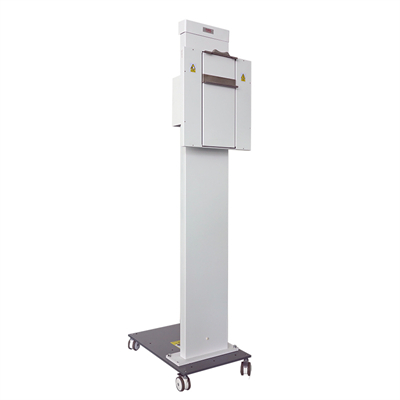
Modular Compatibility: Verify the tray works with your existing X-ray table, wall stand, or U-arm system without custom machining .
Regulatory Certifications: Prioritize units that meet global medical electrical safety standards (IEC 60601 series) to avoid compliance issues in EU, North American, and other regulated markets.
Drive System Quality: The Bucky grid drive assembly (including stator and rotor components) should offer minimal vibration during grid motion to prevent image blurring .
Final Selection Checklist
Before confirming your order, cross-verify these critical points:
All your current receptor sizes fit securely in the tray
Grid ratio matches your most common clinical exam types
Mechanical components come with a minimum 2-year manufacturer warranty
Unit is compatible with your facility’s existing PACS and exposure control software
By prioritizing these parameters over superficial pricing differences, your facility will invest in a Bucky tray that delivers consistent diagnostic performance, reduces long-term maintenance costs, and supports your clinical team for years of daily radiographic use.
Contact our technical team today to request a full compatibility assessment for your existing X-ray system, or to get custom configuration recommendations tailored to your facility’s specific exam volume.
Author: X Ray Machine Accessories
E-mail: newheekcn@163.com
Tel: +86 19015366638
Whatsapp:+86 19015366638
Company: Weifang Newheek Electronic Technology Co., Ltd.
ADD: E Building of Future Star Scientific Innovation Industrial Zone of No.957 Wolong East Street, Yulong Community, Xincheng Sub-District Office, Weifang Hi-tech Zone, Shandong Province, China